My Story
One curator, one careful eye, and a whole lot of weekdays scouting.
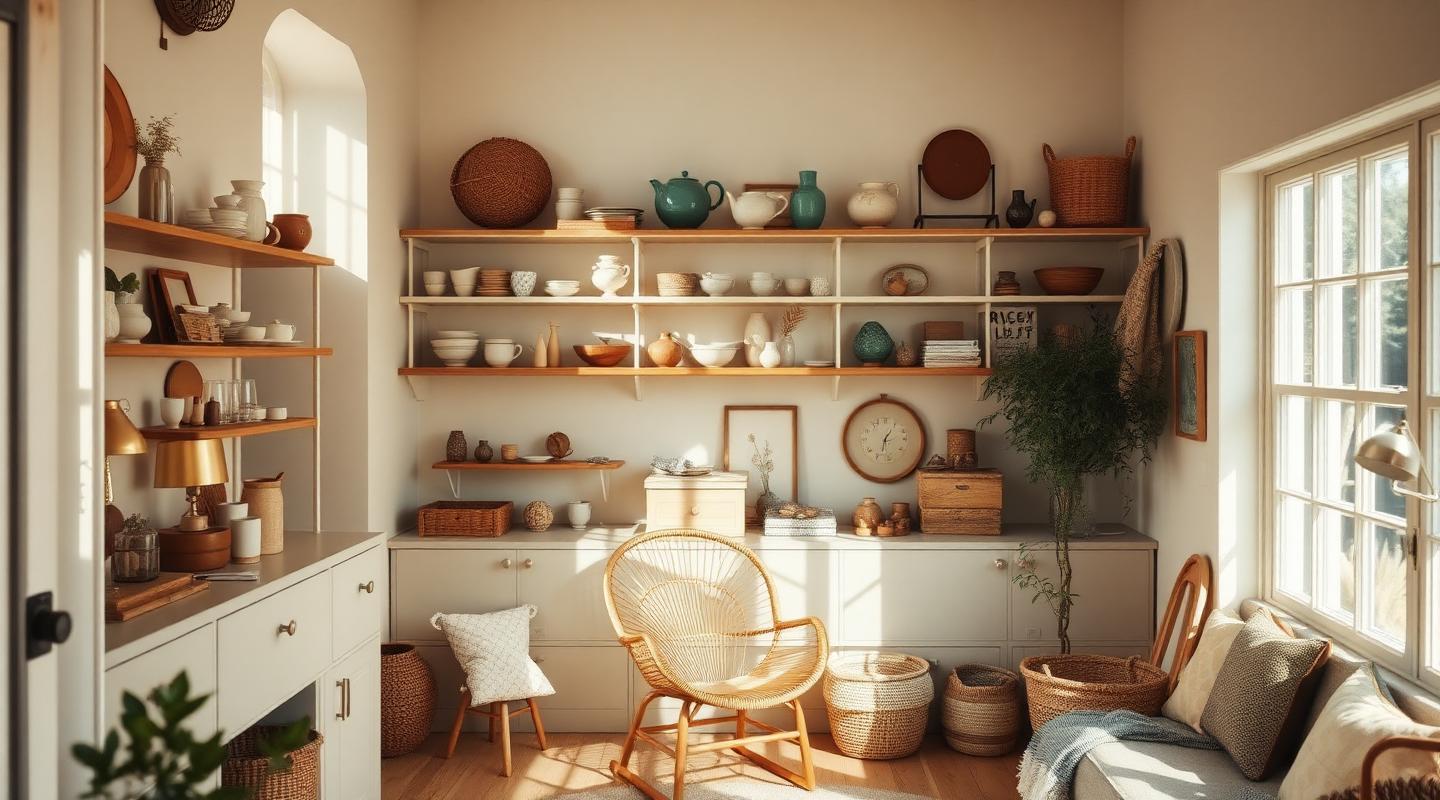
Why I thrift
Growing up, I was taught that buying second-hand goods was something people did only when they couldn't afford new items. In my community, owning brand-new products was often seen as a sign of success, while buying used items was associated with financial hardship. Like many others, I accepted this belief without ever questioning it. That changed when I discovered the world of thrifting. What started as simple curiosity quickly became an eye-opening experience. I realized that second-hand shopping wasn't about what someone couldn't afford—it was about making smarter choices with money and resources. Suddenly, I found quality products at a fraction of their original price. Furniture, electronics, tools, clothing, books, and household items that still had years of life left were available for significantly less than retail prices. What I once viewed as "used" I now saw as "valuable." The Hidden Advantages of Buying Second-Hand1. Save More MoneyThe most obvious benefit is cost savings. Many second-hand items sell for 30% to 80% less than their original retail price. This means you can stretch your budget further and afford more of the things you need. 2. Reduce Financial PressureInstead of financing purchases or taking on unnecessary debt, buying pre-owned goods allows you to acquire what you need while keeping more money in your pocket. 3. Better Value for Your MoneyA used premium product often costs the same as a brand-new budget product. Rather than settling for lower quality, you can access higher-quality brands and products at affordable prices. 4. Earn Money from Items You No Longer UseThe second-hand economy works both ways. Not only can you save money by buying used goods, but you can also sell items sitting unused in your home and turn them into extra income. 5. Build Financial Freedom FasterEvery dollar saved is a dollar that can be invested, saved, or used toward important goals. Small savings from everyday purchases add up over time and can significantly improve your financial position. 6. Discover Unique and Rare ItemsMany thrift shoppers enjoy finding products that are no longer available in stores. From vintage furniture to collectibles and unique fashion pieces, second-hand markets often contain hidden treasures. 7. Help the EnvironmentBuying second-hand extends the life of products and reduces waste. Every item reused is one less item that ends up in a landfill and one less new product that needs to be manufactured. The Financial Impact Most People OverlookImagine saving just R100 per month by purchasing quality second-hand goods instead of new ones. That's R1200 per year. Over five years, that's R6,000 saved. Invested wisely, those savings could grow even further. What seems like a small decision today can create meaningful financial opportunities tomorrow. Changing the NarrativeIt's time to challenge the outdated belief that buying second-hand goods is a sign of poverty. Smart shoppers, successful entrepreneurs, investors, and environmentally conscious consumers around the world regularly buy pre-owned products because they understand value. They know that wealth is often built not by spending more, but by spending wisely. Thrifting taught me that the true measure of financial success isn't owning the newest things—it's making informed decisions.
Years later, sitting in an apartment full of beige big-box furniture, I realised I missed it. So I started looking again — and I haven't really stopped.
How I source
Every piece on Distinctive Pieces comes from one of four places: estate sales, deceased-estate clearances, country auction houses, or the back rooms of retiring antique dealers. I go to most of these places, often early mornings, to get there first.
Nothing is bought sight unseen. I inspect every joint, test every lamp and wire, and sit with each piece in my studio before it goes up for sale.
What makes the picks special
I'm not trying to flip volume. I'm trying to find the one teak chair in a hall of plastic ones, the one ceramic vase that someone's grandmother loved. If I wouldn't put it in my own home, it doesn't get listed.
What I promise you
Honest descriptions.
Every scratch, chip, wobble and patina is photographed and called out. I'd rather lose a sale than ship a surprise.
Fair prices.
I research comparable pieces and price for what they're actually worth — not what a vintage boutique would tag them at.
No scams, no ghosting.
You're buying from one person with a face and a phone number. Questions get answered, usually within the hour.
A real returns policy.
14 days, no fuss. If a piece doesn't feel right in your home, it can come back to mine.